

Diamonds
Ten years ago lab-grown diamonds were a curiosity. Today they're roughly half of the engagement ring market, and "should I buy lab or natural?" has become the first question at our counter. Because we sell both, we don't have a horse in this race. Here's the comparison we give customers face to face.
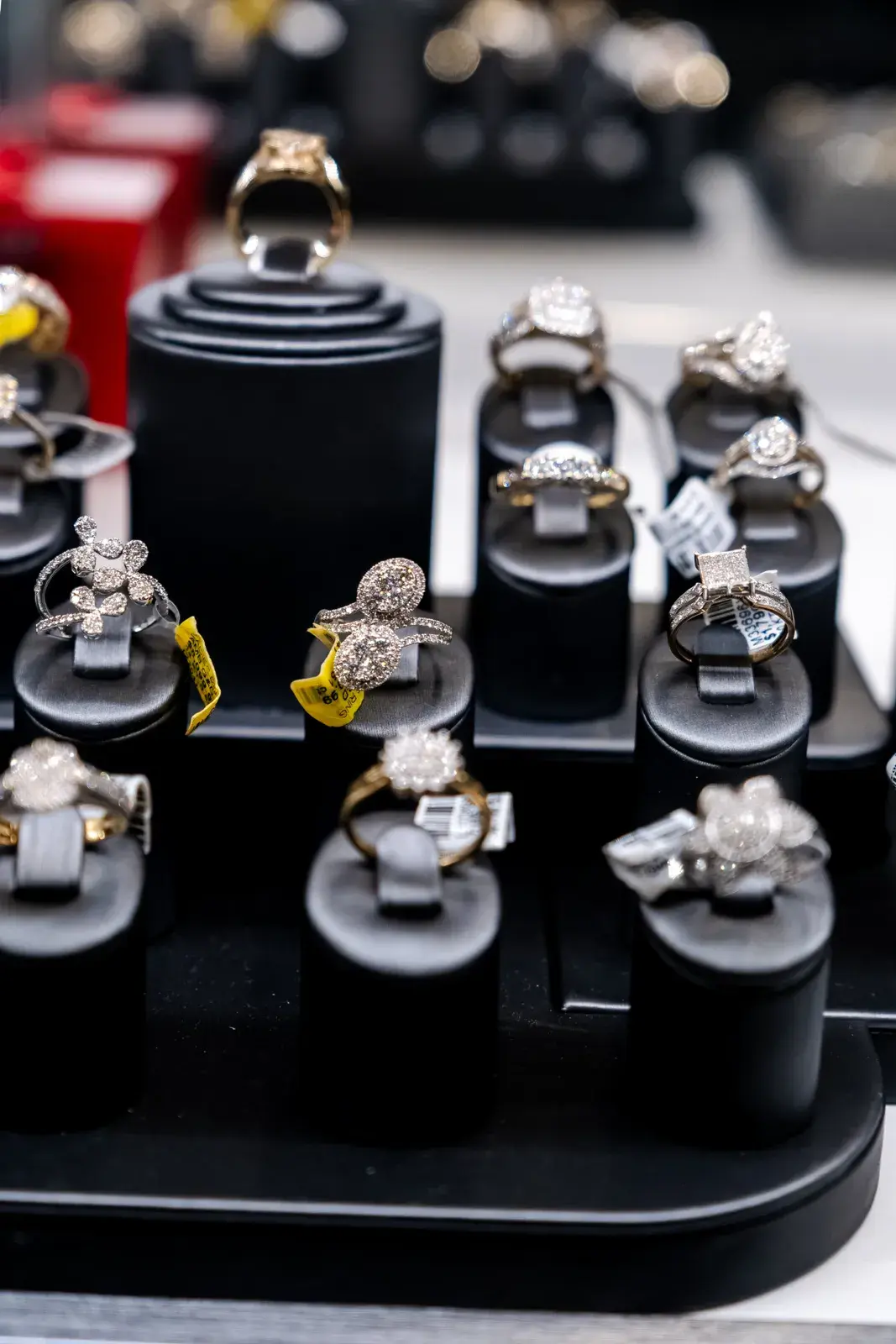
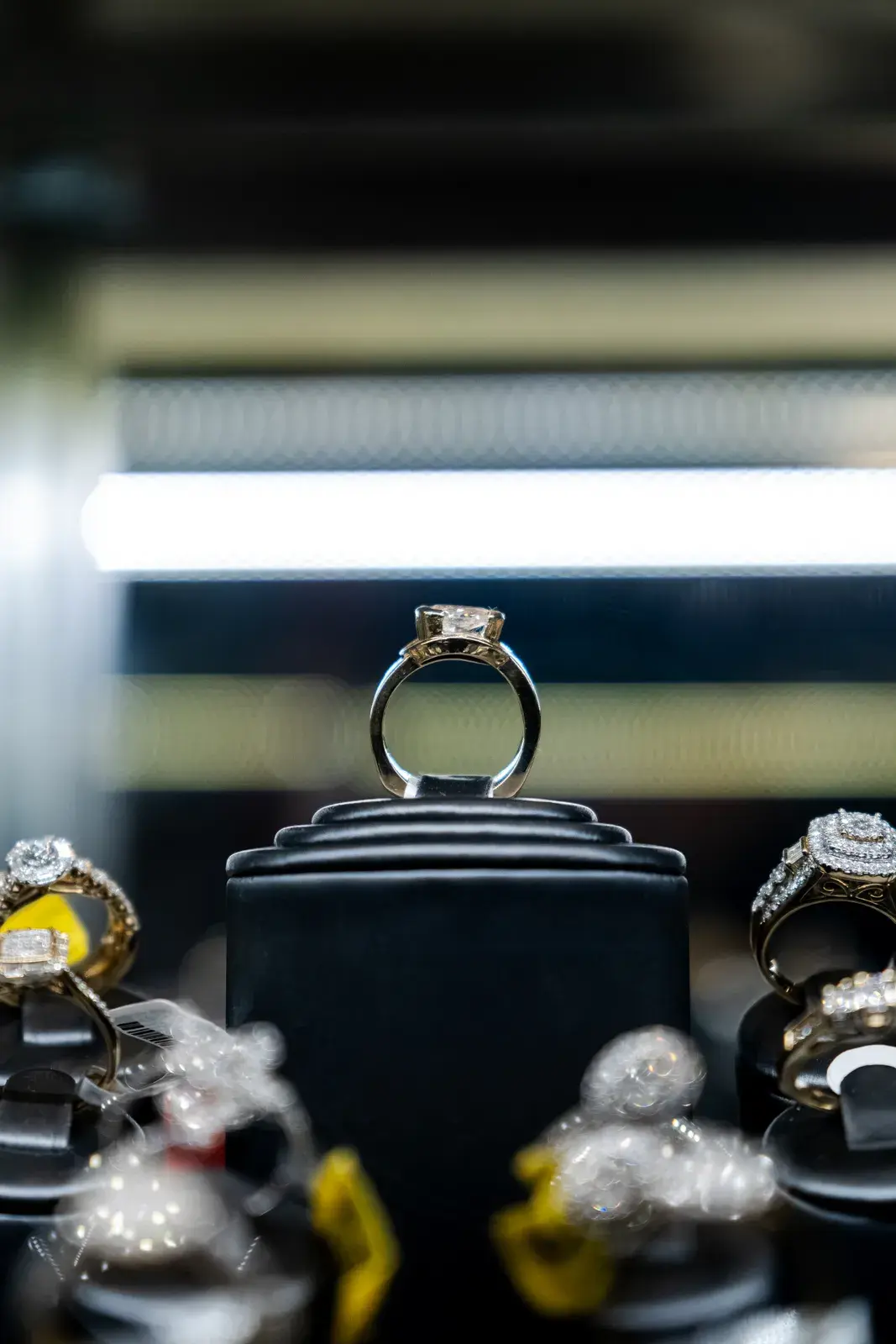
A lab-grown diamond is carbon crystallized into a diamond, exactly like a mined stone: same hardness (10 on the Mohs scale), same brilliance, same fire. It is not cubic zirconia or moissanite, which are different materials entirely. Even a trained jeweler can't tell lab from natural by eye; it takes specialized testing equipment that reads the stone's growth structure.
Both types are graded by the same labs (GIA, IGI) on the same 4Cs scale, and every reputable lab stone is laser-inscribed on the girdle identifying it as lab-grown.
This is the headline. A 1-carat natural diamond of good quality typically runs $4,000–$6,000; a lab-grown equivalent runs $800–$2,000. That gap means a lab-diamond budget buys either a dramatically bigger stone or the same stone with thousands left over.
For couples prioritizing size and sparkle per dollar, lab wins decisively. There's no visual sacrifice whatsoever.
Natural diamonds hold meaningful resale and trade-in value, typically 25–50% of retail and more for exceptional stones, because supply is finite. Lab-grown prices have fallen steadily as production scales, and their resale value is minimal. Buy a lab diamond for its beauty, not as a store of value.
One nuance we tell customers: most people never sell their engagement diamond. If you're certain this ring stays in the family forever, resale value is theoretical. If you like the option of upgrading the stone later, many jewelers (us included) give trade-in credit on natural stones they sold.
Lab-grown diamonds avoid mining entirely, which appeals to many buyers, though growing diamonds is energy-intensive; the greenest lab stones come from producers using renewable power. Natural diamonds from reputable channels are certified conflict-free under the Kimberley Process, and mining economies in Botswana and Canada depend heavily on responsible diamond revenue. Neither side is a caricature; ask your jeweler where their stones come from and expect a straight answer.
Whether it's an engagement ring, a five-minute battery, or a piece designed just for you, we take care of it personally. Stop by the store or send us a message.
Choose natural if tradition, rarity, and long-term value matter to you, or if this stone is meant to become a multi-generation heirloom. Choose lab-grown if maximizing beauty per dollar is the goal, or if it means buying the ring without financing it.
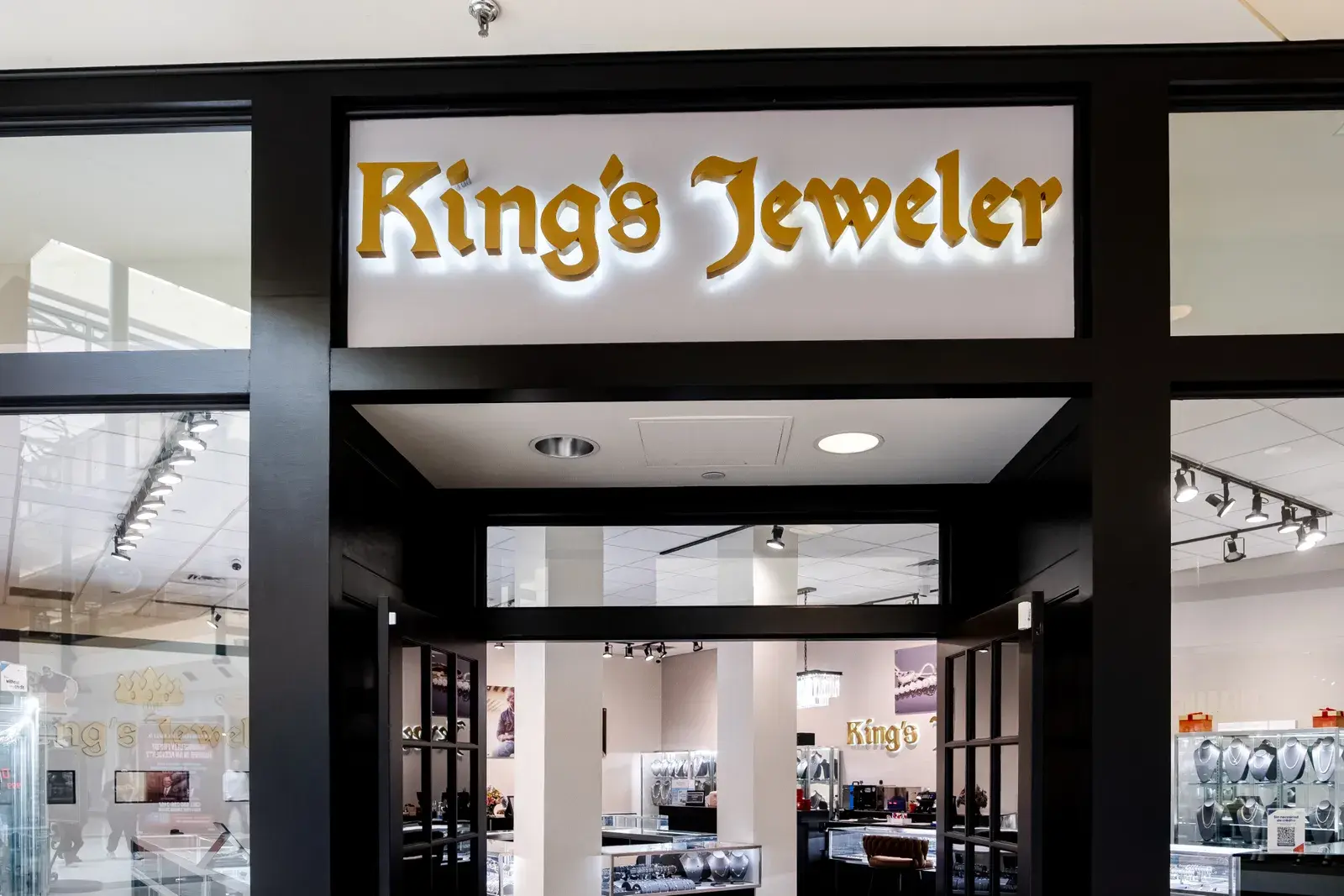
The best way to decide is to look at both side by side. Visit us at King's Jeweler in The Shoppes at Buckland Hills in Manchester, CT and we'll put a lab and a natural stone under the same light; most people are stunned that they can't tell the difference. Start with our engagement ring guide or come see us.
Written by
The King's Jeweler FamilyOwners & Master Jewelers
King's Jeweler is a family-run jewelry store inside The Shoppes at Buckland Hills in Manchester, Connecticut. From engagement rings and custom pieces to same-day watch batteries and expert repairs, every customer is helped personally by a jeweler who cares about getting it right. More about King's Jeweler
Bring it in and we'll take a look, explain your options, and give you an honest answer on the spot at The Shoppes at Buckland Hills in Manchester, CT.
Visit or Contact Us