

Jewelry Repair
Almost every lost diamond we've ever replaced gave its owner a warning first: a tick against the tooth, a snag on a sweater, a stone that spun a little too freely. Jewelry rarely fails without notice; people just don't know what the notices look like. Here are the seven signs we check for at the counter, what each one means, and roughly what the fix costs.
Tap your ring gently against your front teeth or hold it by the band and shake it next to your ear. Any tick, rattle, or visible wiggle means a stone is loose in its setting. This is the single most urgent repair in jewelry; a loose diamond can hold on for months or fall out tomorrow.
The fix is stone tightening, usually $20–$50, done in minutes. Compare that to the cost of replacing the diamond itself.
If your ring keeps catching on sweaters and towels, a prong has lifted or worn thin. Prongs wear down like tire tread; after 10–20 years of daily wear, the tips can be half their original thickness. Re-tipping worn prongs runs $25–$60 per prong; a full re-prong or new head for a heavily worn ring runs $150–$400. Either is far cheaper than a lost center stone.
Chains fail at predictable points: the links beside the clasp, kinked sections, and soldered joints from prior repairs. If a chain hangs unevenly or you can see a stretched, brighter link, it's telling you where it will break. Chain soldering typically costs $25–$75. Hollow chains (light for their size) are the exception; they often can't be invisibly repaired, and a jeweler should tell you honestly when replacement makes more sense.
Lobster and spring-ring clasps contain a tiny spring that wears out. If the clasp doesn't snap shut crisply, it can open on its own. That's how bracelets get lost. Clasp replacement runs $20–$80 depending on style, and adding a safety chain to a valuable bracelet is cheap insurance.
A ring that rotates constantly is too big; one that leaves deep marks or won't pass the knuckle is too small. Both cause real problems: spinning rings wear unevenly and knock stones against hard surfaces, and tight rings can become emergencies. Resizing costs $30–$150, and sizing beads can fix a spinner for even less.
White gold is yellow gold alloyed pale and finished with rhodium plating. When the plating wears, typically every 1–3 years on a daily-wear ring, the piece takes on a yellowish cast, most visibly on the band's underside. Rhodium re-plating costs $40–$90 and makes a white gold ring look brand new. It's maintenance, not damage.
Friction backs loosen with use; when a back slides on without resistance, the earring is one bump from gone. Replacement backs cost a few dollars, and upgrading valuable studs to screw-backs or locking backs runs $20–$60, the cheapest insurance in this whole article.
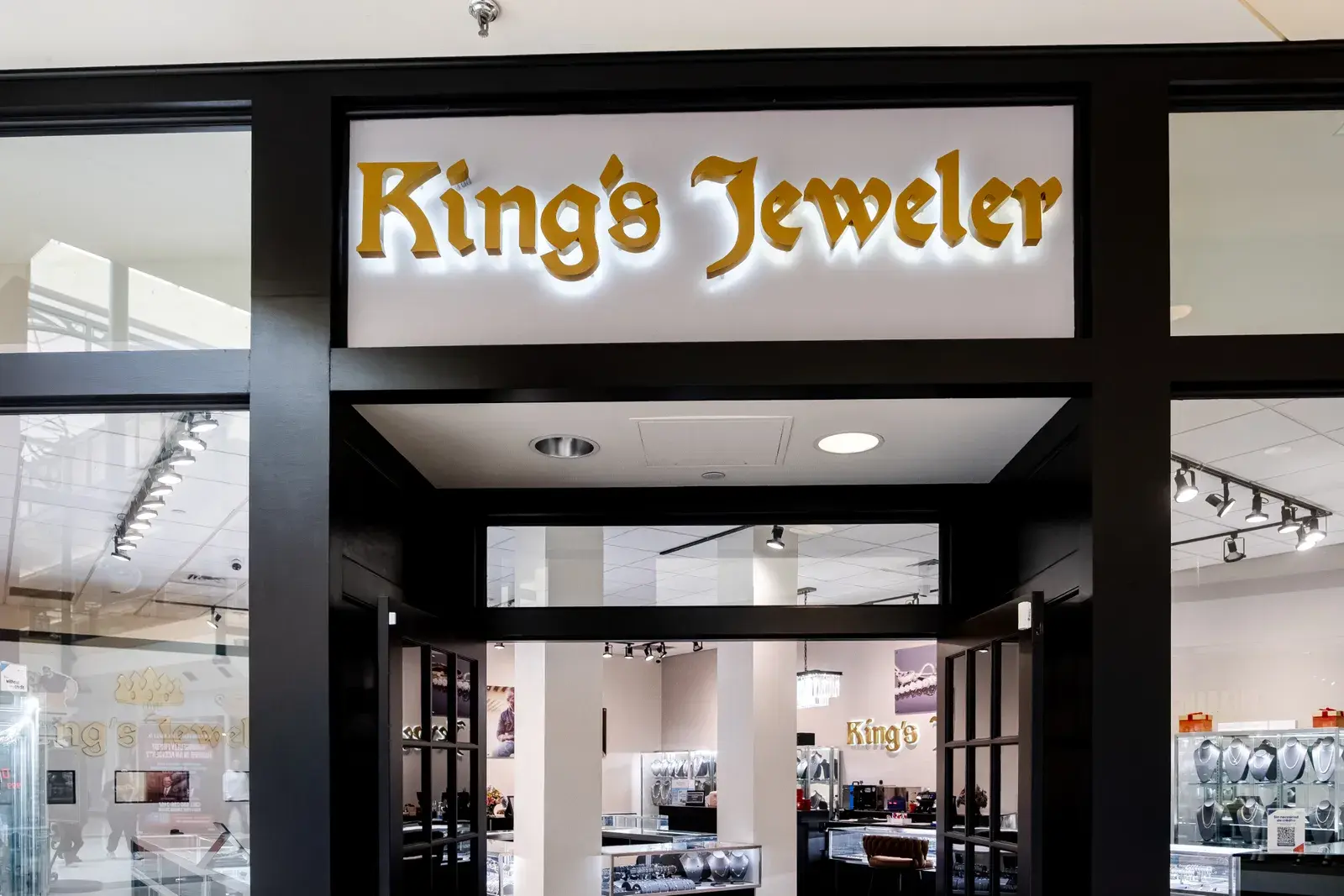
The overall lesson: small repairs are cheap, and lost stones are not. Get your daily-wear jewelry professionally cleaned and inspected twice a year. If you're near Manchester, CT, bring your pieces to King's Jeweler at The Shoppes at Buckland Hills. We'll inspect everything under magnification, usually while you wait, and quote any repair honestly before touching it. See our repair services or plan a visit.
Written by
The King's Jeweler FamilyOwners & Master Jewelers
King's Jeweler is a family-run jewelry store inside The Shoppes at Buckland Hills in Manchester, Connecticut. From engagement rings and custom pieces to same-day watch batteries and expert repairs, every customer is helped personally by a jeweler who cares about getting it right. More about King's Jeweler
Bring it in and we'll take a look, explain your options, and give you an honest answer on the spot at The Shoppes at Buckland Hills in Manchester, CT.
Visit or Contact UsWhether it's an engagement ring, a five-minute battery, or a piece designed just for you, we take care of it personally. Stop by the store or send us a message.